







Search Results for: Costa Rica Geisha
Costa Rica Little Candle Estate Geisha Coffee: A Full Analysis from Estate Story to Brewing and Flavor
Geisha coffee, with its winning streak in competitions, has long been regarded as the cream of the crop in specialty coffee. Front Street Panama Geisha is certainly the current benchmark, but other countries also have noteworthy options, and Front Street Costa Rica Geisha is a standout representative with excellent value for money. This article focuses on Costa Rica's La Candelilla Estate, introducing the family background of this CoE award-winning estate, the development path of its micro-processing mill, its fermentation and environmentally friendly processing methods, as well as the specific brewing parameters and flavor performance of Front Street Costa Rica Geisha. It also includes a flavor description of Front Street Strawberry Candy Blend, helping coffee enthusiasts gain a comprehensive understanding of this bean's origins and its presentation in the cup. [more…]
Costa Rica Geisha Flavor Analysis: Brewing Parameters and Origin Story of the Mirazu Strawberry Candy Blend
Although Geisha coffee is famous for its connection to Panama, its varietal lineage entered Central America through Costa Rica. This article traces the spread of Geisha from Ethiopia to Costa Rica and then to Panama, and focuses on the Costa Rica Mirazu Estate Strawberry Candy Geisha blend introduced by Front Street Coffee. This blend is composed of 50% Geisha and 50% ET47, SL28, and MAICO, undergoes raisin honey processing, and presents jasmine floral aromas, raisin sweetness, and strawberry gummy candy flavors. The article explains in detail the estate's varietal background and processing methods, and includes Front Street's V60 pour-over parameters and brewing technique, providing a complete reference for coffee enthusiasts. [more…]
Costa Rica Little Candle Estate Geisha Coffee Flavor Analysis and V60 Brewing Parameters Guide
Geisha coffee is not unique to Panama; neighboring Costa Rica also produces stunning Geisha. This article focuses on Costa Rica's Little Candle Estate Geisha coffee beans, outlining its regional background, variety composition, and raisin honey processing method, and compares the flavor differences with Panama Geisha. Front Street Coffee has also added Mirazu Estate Geisha blend, which combines the cleanliness of washed processing with the sweetness of honey processing. The article also provides complete brewing parameters and techniques for the V60 dripper, helping you recreate jasmine floral notes, strawberry gummy, and raisin sweetness at home. Whether you are a Geisha enthusiast or an advanced pour-over player, you can gain practical flavor knowledge and brewing references from it. [more…]
Analysis of Flavor Differences in Geisha Coffee Across Global Producing Regions: Ethiopia, Panama, and Costa Rica Compared
Geisha coffee is famous for its captivating floral aroma, but this signature flavor actually comes mainly from the Panama region. When Geisha was introduced to Ethiopia, Costa Rica, and other places, its flavor profile showed noticeable differences. This article starts with three Geisha coffees from Front Street Coffee—Panama, Costa Rica, and Ethiopia—and compares the variety background, estate information, and cupping flavors of each region one by one. Ethiopia, as the birthplace of Geisha, has a Geisha Village variety with very little genetic connection to Panama Geisha; Panama's Hacienda La Esmeralda, meanwhile, established the floral definition of Geisha, with its Red Label, Green Label, and Blue Label each having distinctive characteristics; Costa Rica's Little Candle Estate, thanks to its unique microclimate, also produces a clean and elegant Geisha flavor. Through this article, you will gain a comprehensive understanding of the characteristics and main flavor descriptions of Geisha coffee from different origins. [more…]
Flavor Differences Between Costa Rican and Panamanian Geisha and Analysis of Tarrazú Labrador Estate Honey-Processed Geisha
Since Geisha rose to prominence in 2004, it has quickly become a star variety in the global coffee world, with Panama and Costa Rica being the two most representative producing countries. This article starts with the variety's spread history, the terroir conditions of the two countries, regional characteristics, and processing methods to analyze the similarities and differences in flavor between Costa Rican Geisha and Panamanian Geisha, and focuses on the honey-processed Geisha from Hacienda San Isidro Labrador in the Tarrazú region. It also presents a tasting comparison of two Geisha coffees from Front Street Coffee, helping coffee enthusiasts more clearly understand the diverse expressions of the same variety in different origins. [more…]
Analysis of the Variety Composition and Cupping Flavor Profile of Costa Rica Tarrazú Mirazu Estate Geisha Blend Coffee Beans
The Geisha variety gained fame because of Panama, but its path of spread actually began in Costa Rica. This article focuses on Hacienda Miramonte in the Tarrazú region of Costa Rica, analyzing a Front Street Coffee Geisha blend made up of multiple varieties: Geisha, ET47, SL28, and MAICO. From the estate’s background and the traceability of the varieties to the raisin honey processing method, and then to the cupping performance after a medium-light roast, it fully presents its flavor layers of roses, strawberry gummies, raisins, and almonds. It also shares Front Street’s brewing parameters and extraction approach for this bean, helping coffee lovers better appreciate its floral aroma and berry sweetness. [more…]
Costa Rica Little Candle Estate Geisha Coffee Beans: The Legend of a Micro-Mill Cultivated by the Sanchez Family for Five Generations
Geisha coffee has repeatedly won championships in competitions, and the superiority of its variety is beyond doubt. Front Street Panama Geisha is certainly a top choice, but Costa Rica's Little Candle Estate can also bring surprises. This Front Street Costa Rica Geisha coffee offers outstanding value for money, comes from a CoE award-winning estate, and is jointly run by nine siblings of the Sanchez family. The estate is located in the Tarrazu region, at an altitude of 1,400 to 1,650 meters, and is known for traditional fermentation and an environmentally friendly water treatment system, producing multiple batches of Geisha each year. In terms of flavor, it presents aromas of almond, plum, citrus, sweet flowers, and berries, with rich acidity and a long finish. This article will guide you through the estate's history, processing methods, and share Front Street's brewing plan and flavor experience. [more…]
Flavor Analysis and Pour-Over Method for Costa Rica Mirazu Estate Geisha Strawberry Honey Process Coffee Beans
Costa Rica is renowned for its honey-processed coffee beans, whose parchment beans have a golden hue, a thick body, and outstanding sweetness. As the only country in the world with legislation restricting cultivation to Arabica varieties alone, Costa Rica's pursuit of quality is evident. This article starts from the terroir differences among Costa Rica's seven major coffee-producing regions, with a focus on the Geisha blend bean from Mirazu Estate in the Tarrazú region—Strawberry Candy. This bean uses raisin honey processing, blending the floral and fruity aromas of Geisha with intense sweetness. CoffeeHunters' roaster uses a medium roast, higher water temperature, and a faster-flow dripper for brewing, striving to bring out its aroma and sweetness. The article includes complete pour-over parameters and staged pouring steps, suitable for coffee enthusiasts to reference and practice. [more…]
Flavor Analysis of Costa Rica Geisha Blend Coffee Beans: Mirazu Estate Raisin Honey Processing and Brewing Suggestions
Costa Rica, as a neighboring country of Panama, was also an important transit point for the Geisha variety's introduction into Panama. After Geisha shone brightly at Panama's BOP, Costa Rica also began to attach importance to this variety. This time, Front Street Coffee introduces a Costa Rican Geisha blend coffee bean from Mirazu Estate. The estate is located in the Tarrazu region and was independently founded by Esteban Sanches, a member of the original La Candelilla Estate family. This blend contains 50% Geisha, along with ET47, SL28, and MAICO, and is processed using the raisin honey method, with a medium-light roast. The cupping flavors are rose, strawberry gummy, raisin, and almond, and Front Street Coffee calls it "Strawberry Candy." The following sections will provide a detailed analysis of its variety background, processing method, roasting approach, and brewing parameters. [more…]
Costa Rican Geisha Coffee Flavor Analysis: Is the Mirazu Estate Strawberry Candy Geisha Blend a Single-Origin Bean?
Geisha coffee captivates countless coffee lovers, and most people first think of Panama, but Panama's Geisha variety was actually introduced from Costa Rica. So how does Geisha perform in its "previous stop," Costa Rica? And does a Geisha blend coffee bean count as single-origin coffee? From the perspective of Front Street Coffee, this article compares the characteristics of Geisha from the two major producing regions and provides an in-depth analysis of Front Street Costa Rica Mirazu Estate Strawberry Candy Geisha Blend's variety composition, raisin honey processing method, roasting curve, cupping performance, and brewing parameters, giving you a comprehensive understanding of this distinctive Geisha blend coffee. [more…]

Analysis of the Geisha Coffee Variety and Raisin Honey Processing Flavor from Costa Rica's Tarrazú Region
Geisha coffee made Panama famous, but the starting point of this legendary journey was actually Costa Rica. This article focuses on Mirazu Estate in the Tarrazu region of Costa Rica, analyzing the varietal composition, raisin honey processing method, and flavor profile of its Geisha blend coffee. Estate owner Esteban Sanches, who has a formal academic background, blends four beans—Geisha, ET47, SL28, and Maico—in equal proportions, using raisin honey processing to enhance sweetness, ultimately presenting flavors of jasmine, raisin sweetness, and strawberry gummy candy. Front Street Coffee (FrontStreet Coffee) documents this bean's performance from roasting curve to cupping and brewing, taking you to understand the unique charm of Costa Rican Geisha. [more…]
An Analysis of the Pour-Over Flavor and Mouthfeel Characteristics of Costa Rican Geisha and Mirazu Natural Process Beans
Costa Rica is renowned worldwide for its honey-sweet coffee flavors, and its honey processing technique is regarded as the industry benchmark. Since its founding in 2013, Front Street Coffee has introduced Costa Rican beans, which remain a signature choice for coffee lovers with a sweet tooth. This article systematically reviews Costa Rica's eight major producing regions, main coffee varieties, processing methods such as honey processing and raisin anaerobic honey processing, and highlights Front Street selected beans including the Mirazu Estate sun-dried Geisha and the Musician Series, taking you through a comprehensive understanding of the flavor code of this Central American coffee powerhouse. [more…]
Costa Rica Tarrazu Dota Estate Geisha: A Complete Guide to Washed Processing Flavor Profile and Pour-Over Parameters
Located in the renowned Tarrazú region of Costa Rica, Dota Goddess Estate is famous for cultivating micro-lot Geisha varieties. The estate employs organic farming methods, using native trees for shade, and produces organic fertilizer from a mixture of coffee cherries and molasses, combined with California earthworms to improve the soil, developing a unique constant-temperature fermentation process. This article will take you deep into the Goddess Estate Geisha's origin background, variety lineage, washed processing flow, as well as the pour-over extraction recipe and flavor performance recommended by Front Street Coffee (FrontStreet Coffee), for a full experience of this bean's fresh charm woven with wild ginger flower and grapefruit. [more…]

An In-Depth Analysis of Costa Rica Dota Goddess Estate Geisha: Anaerobic Enzyme Washed and a Complete Flavor Record
This article focuses on the Dota Goddess Estate in Costa Rica's Tarrazú region, offering an in-depth analysis of the unique charm of its Geisha variety. From the terroir of the origin, the estate's history, to the anaerobic enzyme washed processing method, and on to green bean analysis, roasting curves, and cupping and brewing, it presents the complete flavor profile of this coffee. The Front Street Coffee roaster adopts a high-temperature fast-roast strategy to highlight its rose aroma, lemon, and honey sweetness. For pour-over, a V60 dripper is recommended, using staged extraction, ultimately yielding a cup of refreshing, sweet fruit tea. [more…]
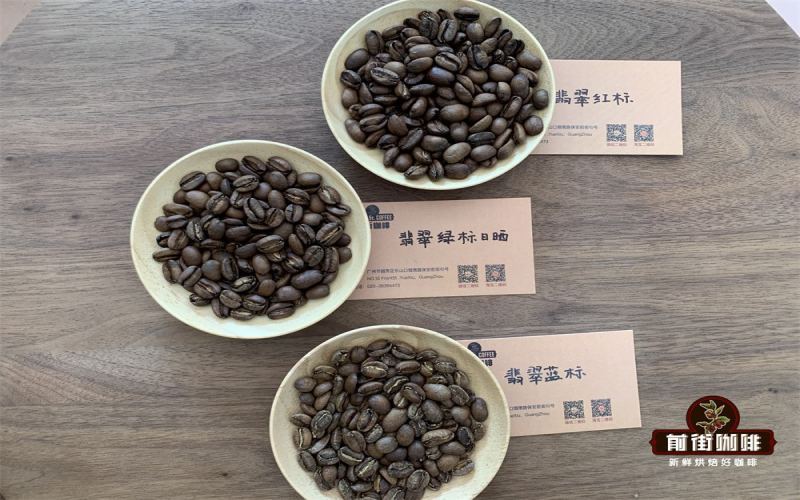
Comparison of Geisha Coffee from Three Major Origins: An Analysis of Flavor Differences Between Panama, Costa Rica, and Guatemala
Since Geisha coffee first rose to prominence at Hacienda La Esmeralda in Panama, producing regions around the world have raced to plant it, yet each terroir gives it a distinctly different expression. This article begins with the variety's origins, compares the growing conditions and cup profiles of Geisha from Panama, Costa Rica, and Guatemala, and shares Front Street Coffee's hands-on experience in selecting and brewing Geisha. Whether you want to understand the difference between red-tag and green-tag lots, or are curious about how honey and natural processing change the flavor, you'll find the answers here. [more…]
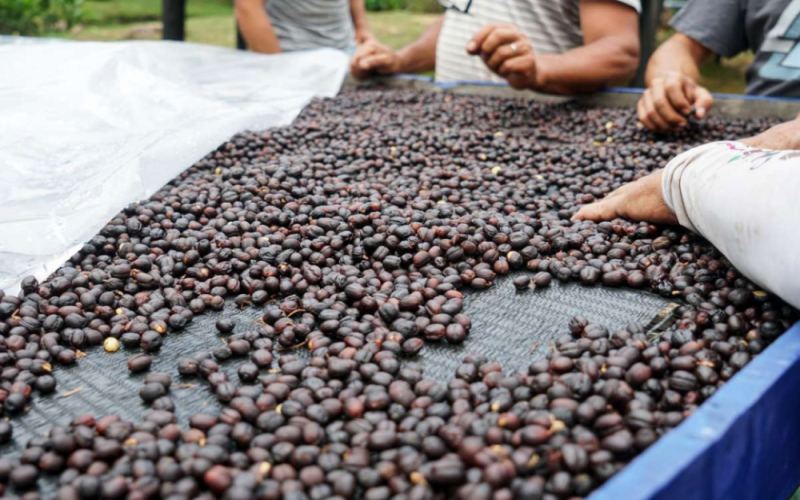
Costa Rica Mirazu Estate Geisha Blend Pour-Over Guide: Strawberry Candy Flavor Extraction Parameters Explained
Costa Rica is renowned for its honey-processed coffee, whose parchment beans are golden in color, mellow in body, and remarkably sweet. This article focuses on the Strawberry Candy coffee beans from the Mirazu Estate, launched by Front Street Coffee. These beans are a Geisha blend, grown at an elevation of 1,700 meters in the Tarrazú region and processed using the honey method. The article first reviews the terroir characteristics of Costa Rica's seven major coffee regions, then takes a deeper look at the background of the Mirazu Estate and the history of the Geisha variety, and finally shares the pour-over recipe designed by Front Street Coffee's baristas for this bean—93°C water temperature, V60 dripper, and a 1:15 coffee-to-water ratio, using staged pouring to highlight the floral and fruity aromas along with a strong sweetness. [more…]
Why Does Costa Rican Honey-Processed Coffee Have Such Outstanding Sweetness? Uncovering the Regions, Varieties, Processing Methods, and Import Situation
Costa Rican honey-processed coffee has long been celebrated for its honey-like sweetness, and Front Street Coffee has featured it as a signature pour-over since 2013. Although this Central American country is not the largest producer, its legally mandated cultivation of Arabica, its blessed volcanic soil and high-altitude growing regions, and its masterful honey-processing techniques combine to create elegant, sweet coffee flavors. From Front Street's perspective, this article systematically reviews Costa Rica's producing regions, common varieties, processing methods such as honey processing and raisin anaerobic honey processing, and recommends several representative coffee beans including the Musician Series, Fire Phoenix Sapphire, Rume Sudan, and Geisha. [more…]
Tracing the Origins of Costa Rican Geisha and Its Blend Expression: Analyzing the Strawberry Candy Flavor of Mirazu Estate
The origin of Geisha's fame actually lies in Costa Rica, and the Panamanian variety was introduced from there. This article starts from the history of variety dissemination, compares the differences between Costa Rican and Panamanian Geisha, and focuses on the strawberry candy Geisha blend from Mirazu Estate launched by Front Street Coffee. The beans come from the Tarrazu region, at an altitude of 1700 meters, and are a half-and-half blend of four varieties: Geisha, ET47, SL28, and MAICO. They are processed as raisin honey and cup with jasmine floral notes, raisin sweetness, and strawberry gummy flavors. The article also outlines the background of each variety, processing details, and includes Front Street's V60 brewing parameters and technique for coffee enthusiasts' reference. [more…]
What Are the Differences Between Costa Rican Geisha and Panamanian Geisha? Mirazu Strawberry Candy Flavor and Front Street Brewing Recommendations
Geisha journeyed from the forests of Ethiopia to the world, and Panama's Hacienda La Esmeralda made it famous, while Costa Rica, as a major coffee hub in Central America, has also produced Geisha with a distinctive style of its own. This article traces Geisha's path of dissemination, compares the producing regions' terroir, variety composition and processing methods of Panamanian and Costa Rican Geisha, and focuses on the blended Geisha from Mirazu Estate that Front Street Coffee uses. The article also shares Front Street's roasting approach and three-pour brewing parameters, helping coffee lovers understand how to bring out sweet, rich flavors such as rose, strawberry and raisin. [more…]
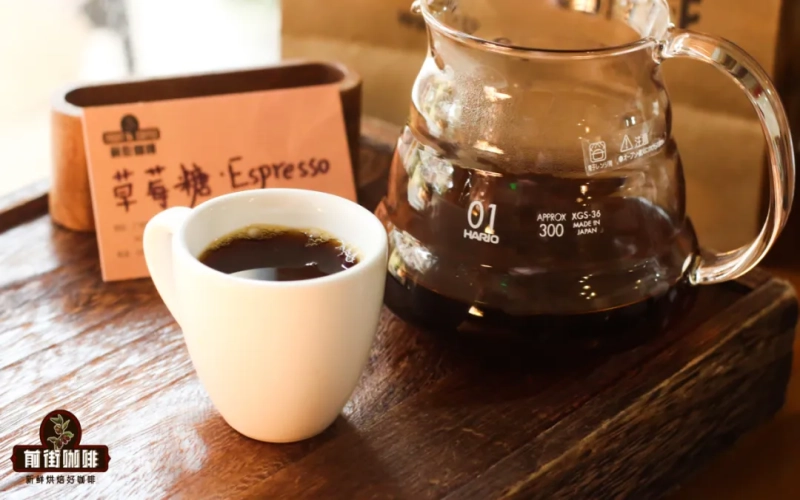
A Complete Guide to Costa Rican Honey Process Coffee: Tarrazú Region Characteristics and Front Street Strawberry Candy Geisha Blend Pour-Over Recommendation
Costa Rican coffee is deeply loved by coffee enthusiasts for its honey-sweet flavor, and the Tarrazú region in particular is a representative of specialty coffee. From the perspective of Front Street Coffee, this article systematically introduces Costa Rica's coffee-growing regions and the terroir characteristics of Tarrazú, with a focus on analyzing the estate background, variety composition, and raisin honey processing method of Front Street Strawberry Candy · Geisha Blend coffee beans, giving you insight into this outstanding pour-over coffee with pronounced sweetness and both floral and berry notes. [more…]